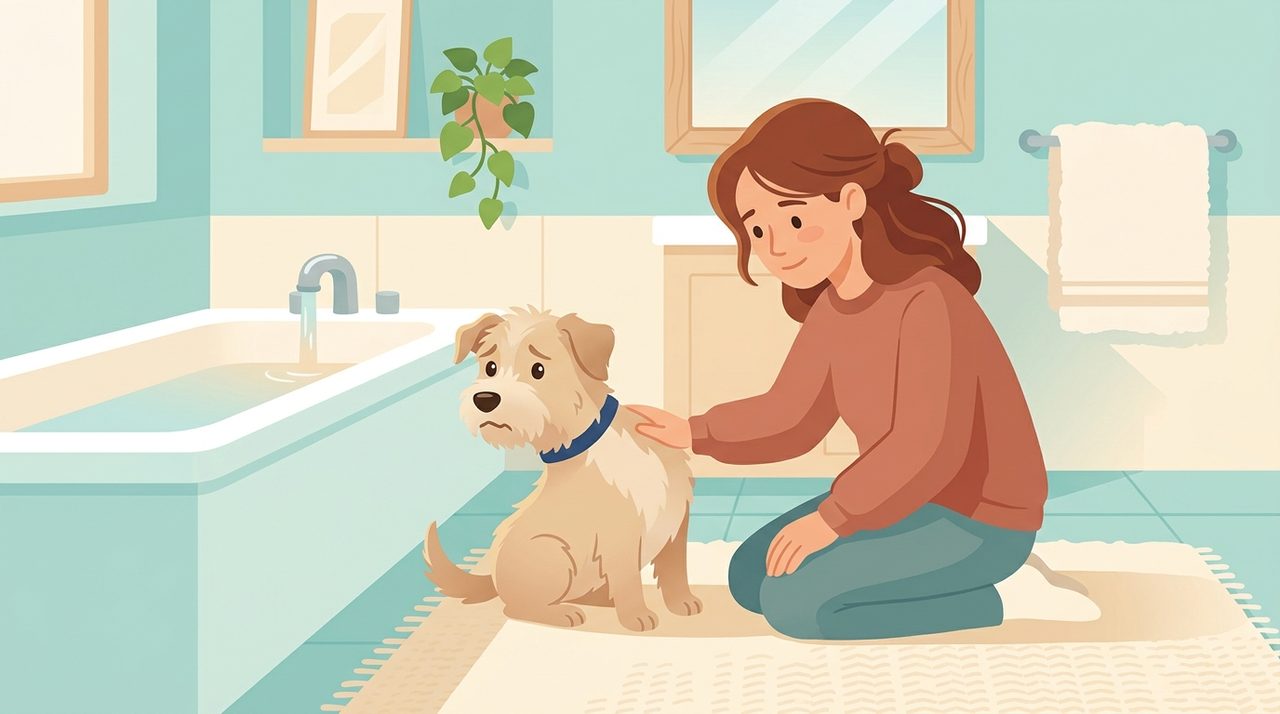
Grooming keeps your dog comfortable and healthy, but for some dogs the brush, bath, or trip to the groomer feels stressful. If your dog trembles, hides, or pulls away, you are not alone. Many dogs find parts of grooming hard, and there are gentle ways to help.
In this guide, you'll learn how to recognize early signs of grooming anxiety, why force makes things worse, and practical steps to build your dog's comfort over time.
What Are the Early Signs of Grooming Anxiety in Dogs?
Dogs often show stress before they growl or snap. Early signs during grooming can include lip licking, yawning when they are not tired, freezing in place, pulling away, or showing the whites of their eyes. These signals are easy to miss, but they tell you your dog is uncomfortable.
Learning to spot these signs early lets you slow down or take a break before your dog becomes more upset. If your dog stops taking treats it used to accept happily, that can also be a sign the situation feels like too much.
Why Does Grooming Make Some Dogs Anxious?
Some dogs become fearful or anxious around grooming, whether at home or at a grooming parlor. The sounds, handling, and restraint involved can feel unpredictable, especially for dogs who have had a negative experience in the past.
Sometimes grooming resistance is related to pain rather than fear alone. If your dog suddenly becomes sensitive to grooming, reacts strongly when one area is touched, or previously tolerated grooming but no longer does, schedule a veterinary exam to rule out pain, skin problems, ear disease, or another medical issue.
Forcing a frightened dog through grooming, or using excessive restraint, can add to fear, anxiety, and stress. A gentler approach, sometimes called cooperative care, focuses on giving the dog choice, keeping sessions predictable, and pairing grooming with rewards. This is often easier to build in puppies or dogs who have not yet had a bad experience, but many older dogs can still make progress.
How Can You Help a Dog Feel Calmer About Grooming?
Keep sessions short, predictable, and end while things are still going well. Pair each step with small, frequent treats so your dog links grooming with good things. Stopping early, before your dog gets overwhelmed, counts as a success rather than a failure.
Desensitization can also help. This means introducing something your dog finds scary, such as the sound of clippers or the feel of a brush, at a low enough intensity that your dog remains relaxed and can still take treats. Increase the intensity gradually over many sessions, slowing down whenever your dog shows signs of stress. Never punish a dog for fearful behavior, as this can make anxiety worse.
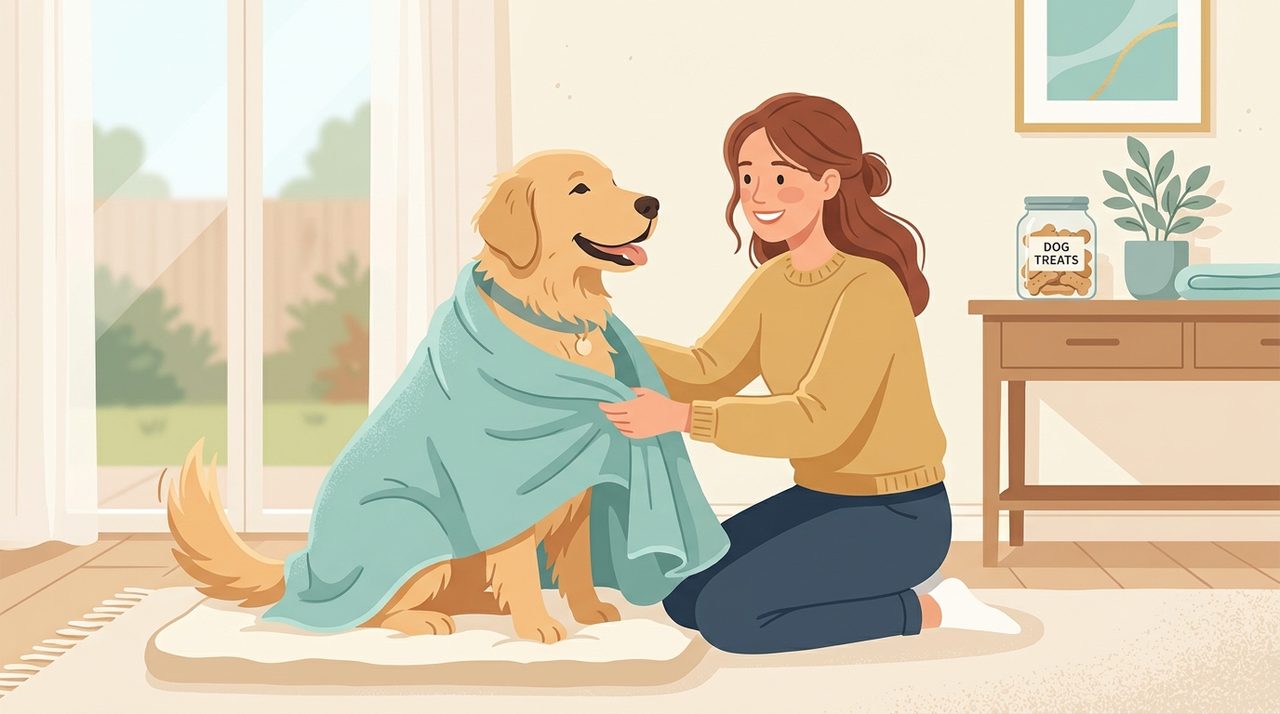
When Should You Slow Down or Get Help?
If your dog shows fear or stops taking treats it normally enjoys, the session is moving too fast. Continuing while your dog is uncomfortable can cause an even stronger reaction next time. Take a break and try again later at an easier level.
If progress stalls, grooming becomes stressful for you or your dog, or the anxiety seems severe, reach out to your veterinarian, a veterinary behaviorist, or a qualified trainer who uses humane methods. A behavior professional may adjust your approach, and a veterinarian can discuss whether medication might help in some cases.
What Should You Look for in a Groomer for an Anxious Dog?
For dogs that need professional grooming beyond home care, some owners look for a Fear Free certified groomer, who is trained in techniques meant to reduce stress. When you contact a groomer, ask how they handle nervous dogs, whether they allow breaks, and how they respond if a dog becomes upset.
You can browse groomers on our city pages to find someone near you and ask these questions directly. A good match can make grooming easier for both you and your dog. Many groomers are happy to talk through their approach before you book.
Can Regular Grooming Actually Reduce Anxiety Over Time?
For many dogs, routine grooming that stays gentle and positive can build comfort as they learn what to expect. Regular brushing, appropriate bathing, nail care, and checking your dog's ears can support overall comfort and hygiene, and can help you or a groomer notice problems like lumps, sores, or parasites early. Clean the ears only when needed or as directed by your veterinarian, since over-cleaning can cause irritation. Have any concerning lumps, sores, skin irritation, or suspected parasites evaluated by a veterinarian.
Brushing is especially important for dogs with long, curly, silky, or dense double coats. It removes loose hair, helps prevent mats and compacted undercoat, reduces shedding, and spreads natural oils through the coat. Matting can pull on the skin and make handling uncomfortable, which may add to grooming stress. If you notice matting, ask a groomer for help, and never try to cut a mat out with scissors, as this can injure the skin.
Frequently asked questions
-
What are the first signs my dog is stressed during grooming?
Watch for lip licking, yawning when your dog is not tired, freezing, pulling away, or showing the whites of the eyes. These early signals often appear before growling or snapping. If your dog stops taking treats it normally enjoys, that is another clue the situation feels overwhelming and you should slow down.
-
Should I force my dog to finish grooming if it gets scared?
No. Forcing a frightened dog through grooming or using excessive restraint can increase fear and stress, making future sessions harder. Stopping early while things are still going well counts as a success. Take a break and try again later at an easier, less intense level.
-
Can an anxious dog learn to feel comfortable with grooming?
Many dogs can, especially with gentle, predictable sessions paired with rewards. Desensitization, which introduces grooming at a very low intensity and builds up slowly, often helps. This works best when started early or before a dog has had a bad experience, but many older dogs still make progress with patience.
-
How do I find a groomer who is good with nervous dogs?
Look for someone who uses stress-reducing techniques, such as a Fear Free certified groomer, and ask how they handle nervous dogs. Browse the groomers on our city pages, then contact them to ask about breaks, their approach, and how they respond if a dog gets upset before you book.
-
When should I involve a veterinarian for grooming anxiety?
Reach out if grooming becomes stressful for you or your dog, if progress stalls, or if the anxiety seems severe. A veterinarian, veterinary behaviorist, or qualified humane trainer can adjust your approach. A veterinarian can also check for underlying issues and discuss whether medication might help in some cases.
-
Does matting make grooming anxiety worse?
It can. Matting can pull on the skin and make handling painful, which may increase stress during grooming. Regular brushing helps prevent mats, especially in dogs with long, curly, silky, or dense coats. If your dog already has mats, ask a groomer for help, and never cut a mat out with scissors, since you can easily injure the skin.
This article is general grooming information, not veterinary advice. For any concern about your dog's skin, coat, or health, consult a veterinarian.